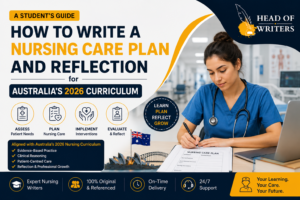

How to Balance Work and Study as an International Student in Australia
Australia is one of the most popular study destinations in the world, attracting thousands of international students every year. The vibrant cities, world-class universities, and multicultural environment make it an exciting place to study. But with high living costs and busy academic schedules, many international students find themselves juggling part-time work alongside their studies.
While working while studying is completely manageable, it requires planning, discipline, and the right support system. In this guide, we walk you through practical strategies to balance work and study effectively — without sacrificing your grades, your health, or your wellbeing.
1. Understand Your Visa Work Restrictions
Before you start working, it is essential to understand the rules that apply to your student visa in Australia. On a student visa (subclass 500), international students are generally allowed to work up to 48 hours per fortnight during a study period. This limit is removed during scheduled course breaks.
Breaching these work conditions can have serious consequences for your visa status. Always check the current rules on the official Department of Home Affairs website and speak to your university’s international student office if you are unsure.
Key points to remember:
- Work no more than 48 hours per fortnight during study periods
- Unlimited hours are allowed during official course breaks
- Your partner or dependants may have separate work entitlements
- Always verify current visa conditions before taking on extra hours
2. Choose the Right Type of Work
Not all jobs suit a student’s schedule. When looking for work, prioritise roles that offer flexible hours, casual contracts, and minimal mental load — so your energy is preserved for your studies.
Best Jobs for International Students in Australia
- Hospitality and Retail (cafes, restaurants, supermarkets)
- Campus jobs (library assistant, student ambassador, tutoring)
- Delivery and logistics (flexible scheduling)
- Freelance work (writing, design, IT tasks)
- Research assistant roles within your university
On-campus jobs are especially recommended because they reduce commute time, often offer more understanding supervisors, and help you stay connected with the academic environment.
3. Build a Realistic Weekly Schedule
One of the most powerful things you can do as a working student is to build a clear weekly timetable. Without a schedule, it is very easy to underestimate how much time tasks take — and end up rushing assignments at the last minute.
Here is a simple approach to building your weekly plan:
- Block your class and work hours first — these are non-negotiable
- Allocate at least 2 hours of study time for every 1 hour of class
- Include buffer time between work shifts and study sessions
- Set aside dedicated time for assignments well before deadlines
- Reserve at least one full rest day per week for recovery
Digital tools like Google Calendar, Notion, or Trello can help you visualise your week and stay on top of upcoming deadlines and shifts.
4. Prioritise Your Academic Commitments
While earning money is important, your primary purpose in Australia is to study. Your academic results directly affect your visa compliance, future employment, and long-term career opportunities. It is critical to treat your studies as the priority — not an afterthought.
Here are some habits that high-performing student workers use:
- Read your unit outlines at the start of each semester and note all assignment due dates
- Start assignments early — even a rough outline helps avoid last-minute panic
- Attend all lectures and tutorials, even when tired from work
- Use campus resources like writing centres, library databases, and academic advisors
If you ever find yourself overwhelmed by deadlines, remember that professional assignment help is available to support you with structuring your work, improving quality, and submitting with confidence — not as a replacement for learning, but as a helpful academic guide.
5. Manage Your Energy, Not Just Your Time
Many students focus solely on managing their time but forget that energy is equally important. You can have a perfectly organised schedule but still underperform if you are physically or mentally exhausted.
Tips to Maintain Energy Levels
- Sleep 7–8 hours per night consistently — sleep deprivation dramatically affects academic performance
- Eat regular meals with balanced nutrition — avoid skipping meals to save time
- Exercise at least 3 times per week — even a 30-minute walk improves focus
- Practice mindfulness or brief meditation to manage stress
- Limit caffeine-dependent study sessions — they create energy crashes
Many universities in Australia offer free counselling and wellbeing services for international students. Do not hesitate to use these resources if you feel overwhelmed.
6. Communicate With Your Employer and University
Transparency is key when balancing work and study. Many students suffer unnecessarily because they are afraid to communicate their needs.
With Your Employer
- Inform them upfront that you are a student with exam periods and assignment deadlines
- Request schedule flexibility during peak academic periods
- Give as much notice as possible when requesting time off
With Your University
- Inform your lecturer or tutor if you are struggling to balance commitments
- Apply for assignment extensions early if needed — most universities have compassionate grounds policies
- Visit your international student services office for practical support and advice
Being proactive in communication almost always leads to better outcomes than waiting until things fall apart.
7. Use Academic Support Services Wisely
Australia has excellent academic support systems, and many international students are unaware of all the resources available to them. Using these resources is not a sign of weakness — it is a sign of smart studying.
- University writing and learning centres offer free workshops and one-on-one consultations
- Peer tutoring programs connect you with high-achieving students in your subject
- Online academic assistance platforms can help you understand assignment requirements and improve your submissions
When your workload feels impossible and deadlines are piling up, you may want to explore professional academic guidance. Services like
do my assignment can give you the support you need to stay on track academically while managing your work commitments. Getting expert help with your assignments ensures your studies do not suffer during your busiest weeks.
8. Build a Support Network
International students often face the added challenge of being far from family and their usual support systems. Building a strong local network in Australia can make a significant difference to your overall wellbeing and academic success.
- Join student clubs and societies related to your interests or culture
- Connect with other international students who understand your experience
- Attend university orientation events and networking sessions
- Find a study buddy or group in your course
Having people around you who understand your challenges — both at work and in your studies — creates a foundation of resilience that helps you push through the tough weeks.
9. Know When to Cut Back on Work
There are times in every academic semester when you simply need to reduce your work hours — and that is perfectly okay. Recognising these moments early can save your grades and your mental health.
Consider reducing work hours when:
- Major assignments or exams are approaching within the next 2–3 weeks
- Your grades have started to slip below your personal or visa-required threshold
- You are consistently missing sleep or skipping meals
- You feel anxious, burned out, or unable to focus on either work or study
Your academic standing is directly tied to your visa compliance in Australia. Protecting your grades is not just about personal success — it is about maintaining your legal right to remain in the country.
10. Plan Your Finances to Reduce Work Pressure
One of the main reasons international students overwork is financial stress. By planning your finances carefully, you can reduce the number of hours you feel pressured to work each week.
- Create a monthly budget covering rent, food, transport, and study materials
- Research and apply for scholarships — many Australian universities offer international student scholarships
- Look for student discounts on public transport, software, and groceries
- Cook at home instead of eating out — this alone can save hundreds of dollars per month
- Open a student bank account to avoid unnecessary fees
Financial planning reduces stress and gives you more control over how many hours you need to work — which ultimately protects your study time.
Final Thoughts
Balancing work and study as an international student in Australia is challenging, but it is absolutely achievable with the right strategies in place. The key is to be intentional — about your schedule, your energy, your communication, and the support you seek.
Remember, the goal is not to be perfect but to be consistent. Small, sustainable habits will always outperform intense bursts of effort followed by burnout.
If at any point your academic workload becomes overwhelming, do not struggle alone. Professional academic guidance is available to help you stay on track — so you can perform your best both at work and in your studies.
Need help with your assignments? Explore professional assignment help services at Head of Writers — designed specifically for Australian university students.